
Oak and Smoke Tannery
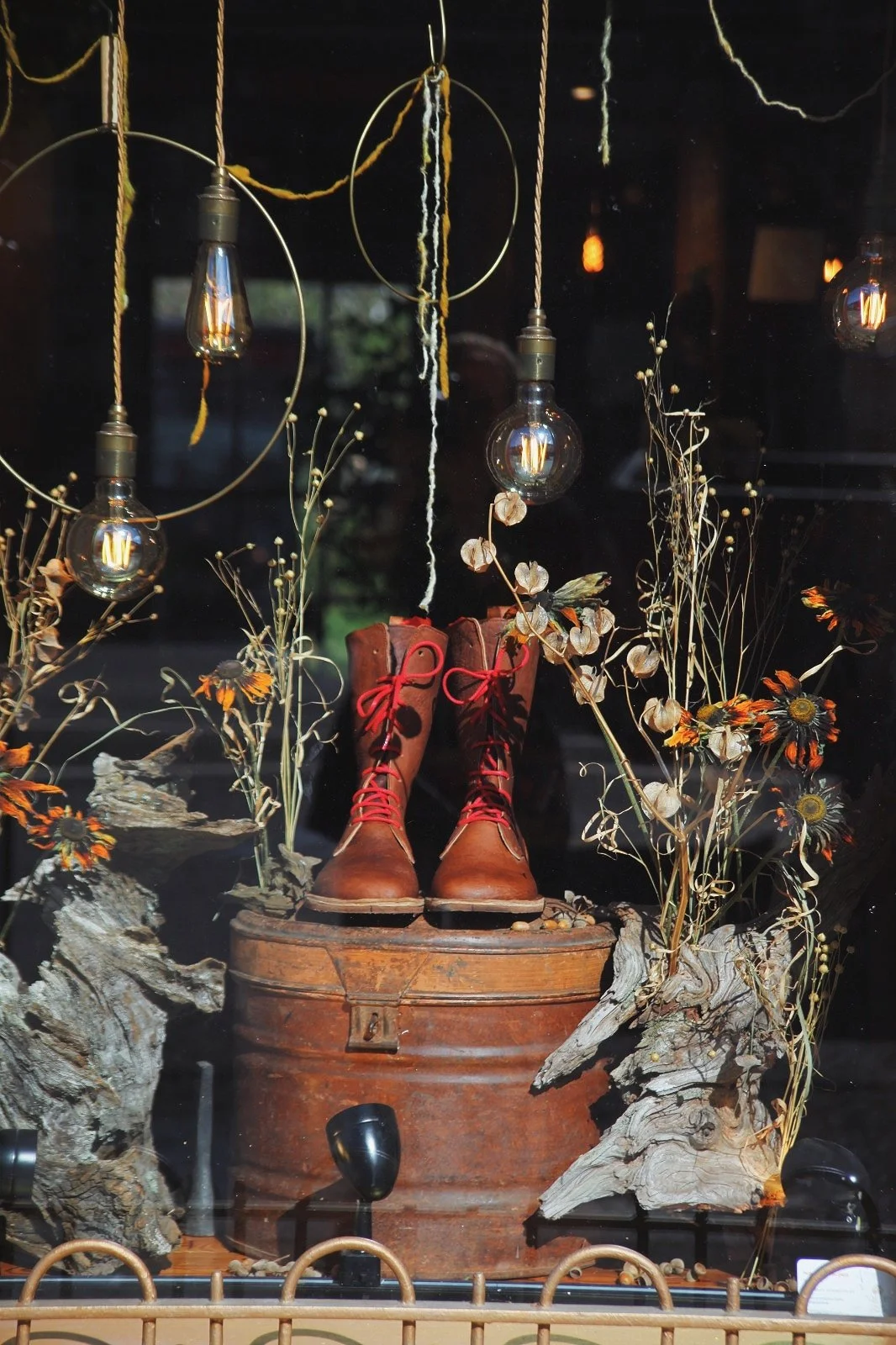
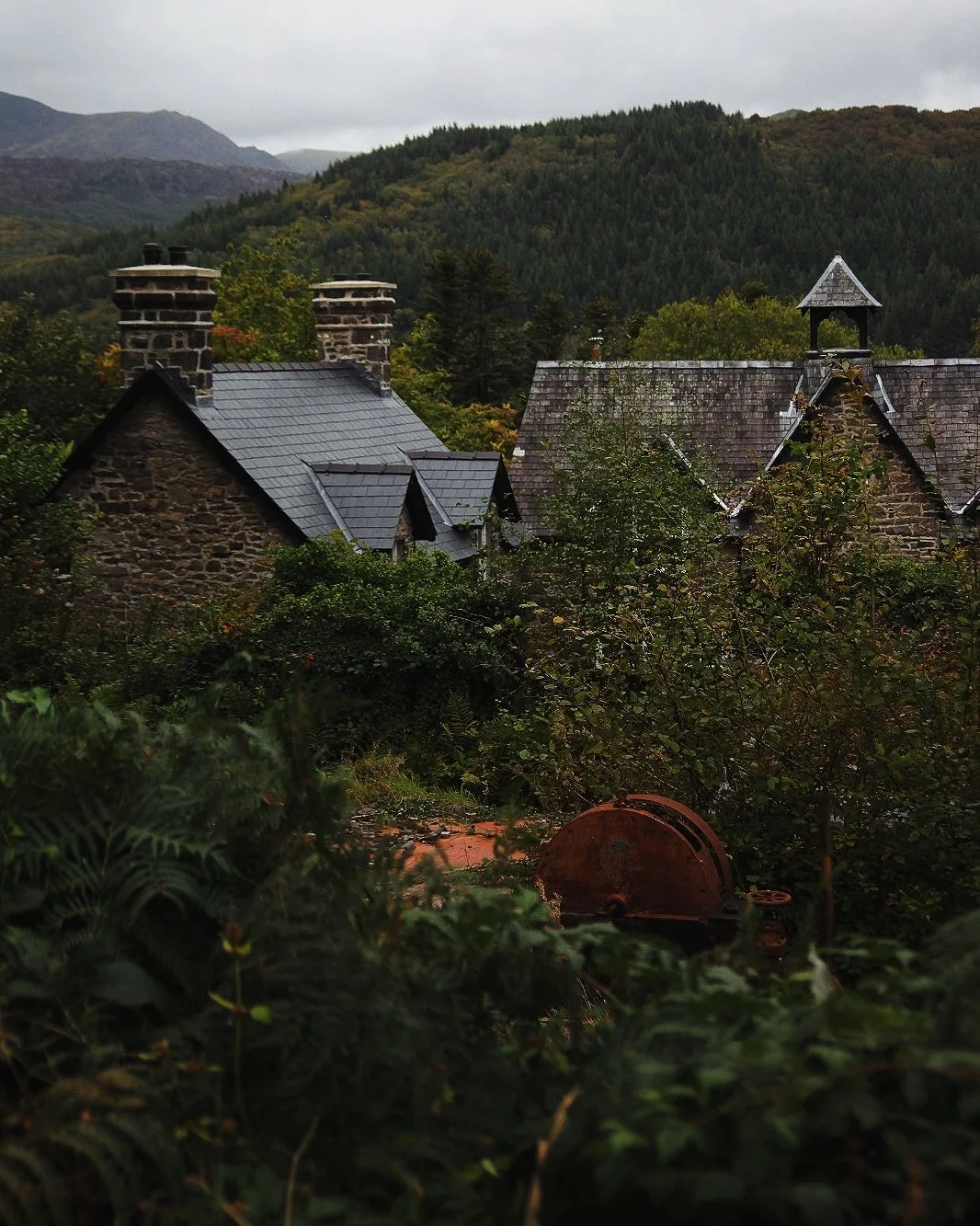
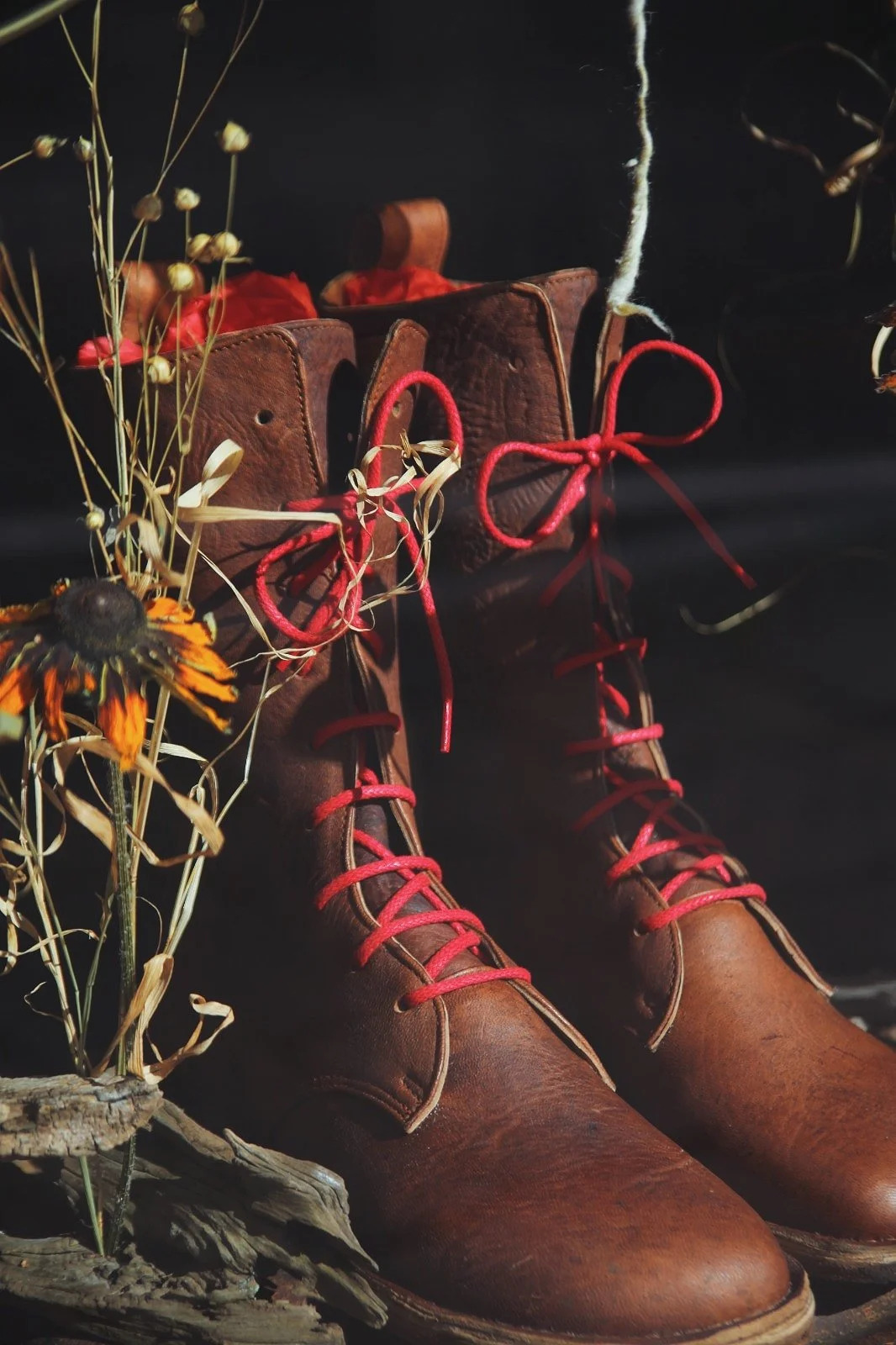
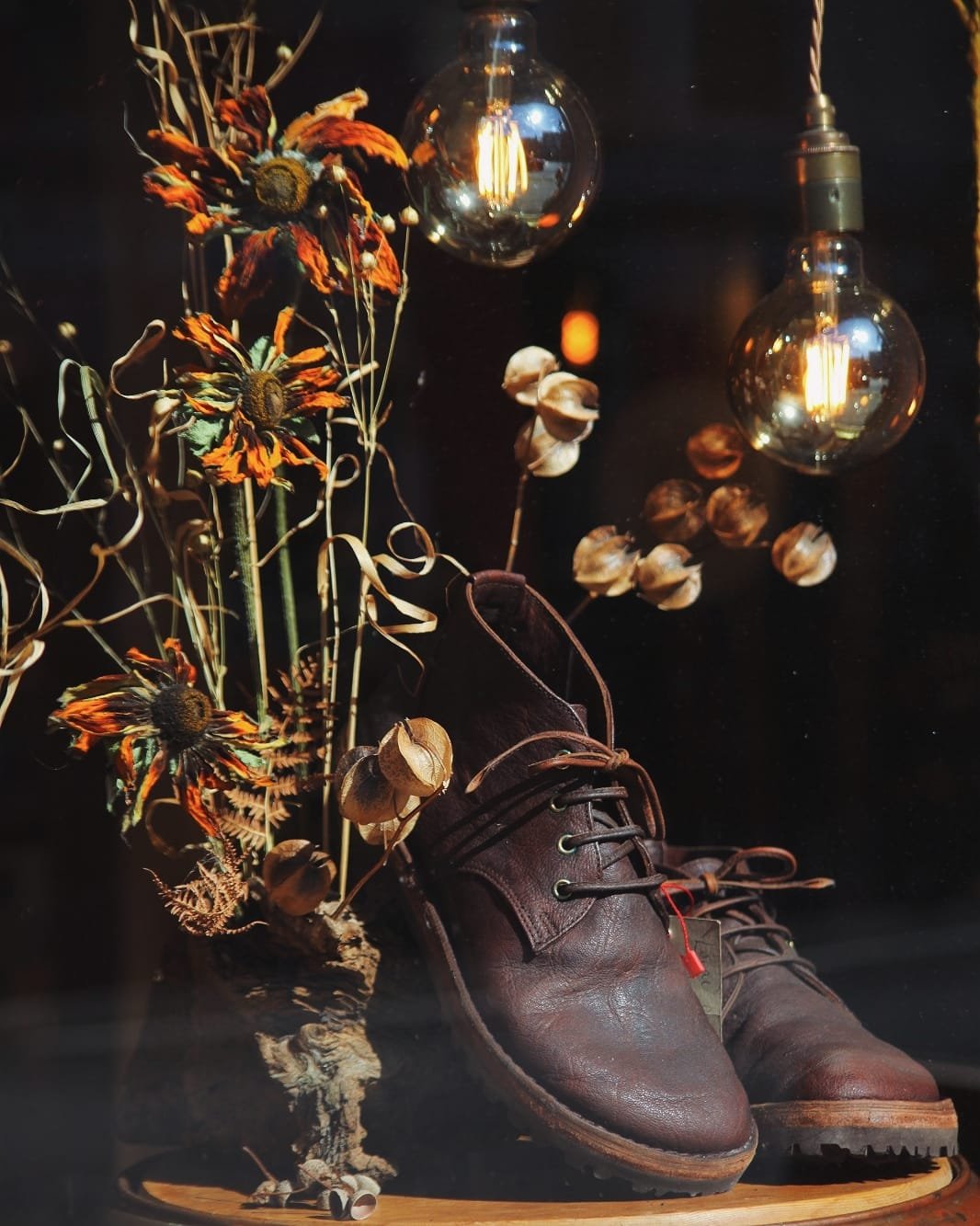
We celebrated the Autumn equinox here at RED with a window refresh, using materials grown and gathered in the Dyfi Valley. This display served as a backdrop to some special footwear: shoes made from leather sourced from Jane Robertson, a local tanner.
Shaped by traditional methods and a sustainable approach that values quality over quantity, we are so pleased to share a little about Jane’s story, and our ongoing collaboration.
Could you tell us a little about yourself and the story behind Oak & Smoke?
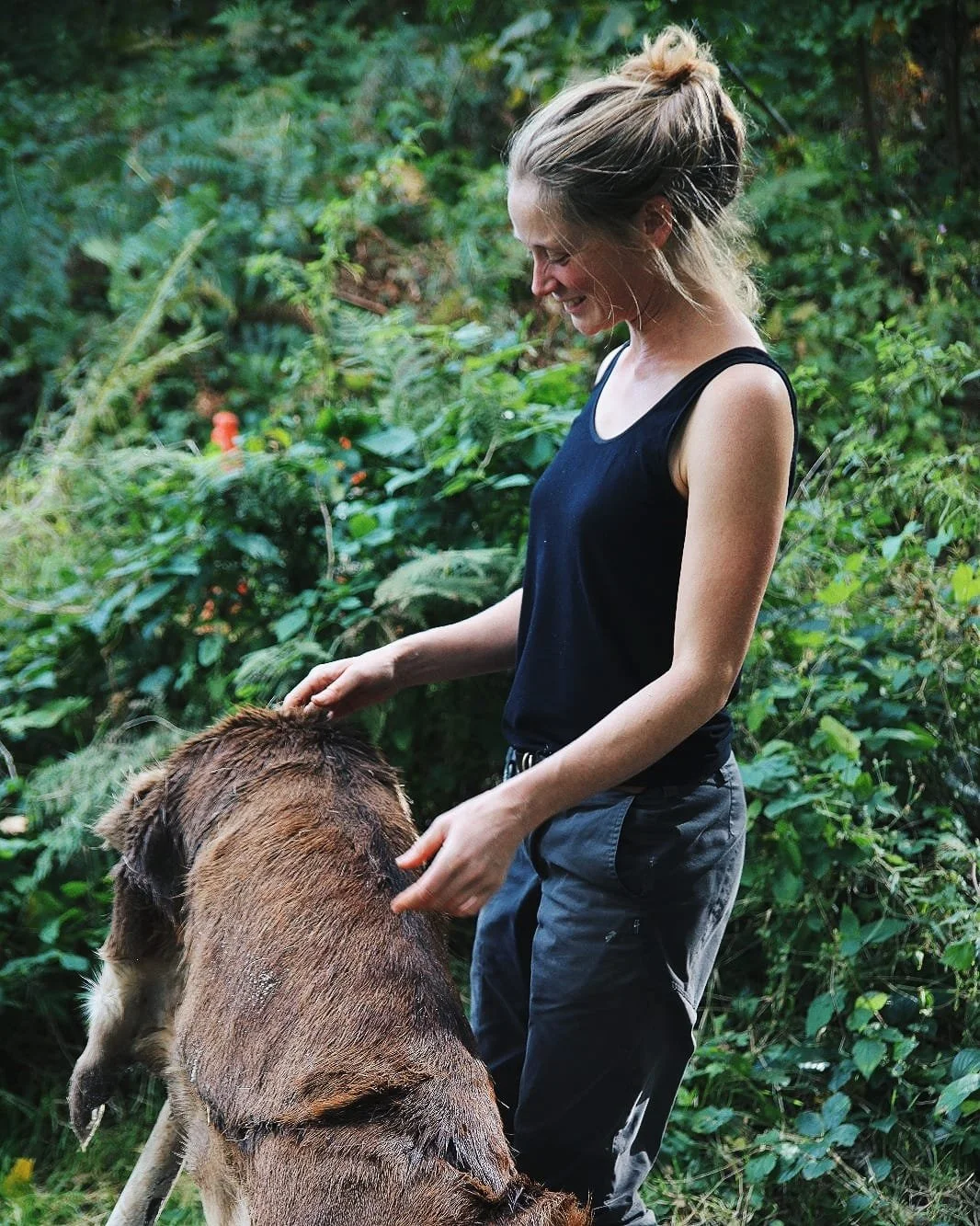
Yes, so Oak and Smoke Tannery is a collaboration between myself, Jane Robertson and Jessie Watson Brown who lives and runs a very similar tannery on Dartmoor in Devon.
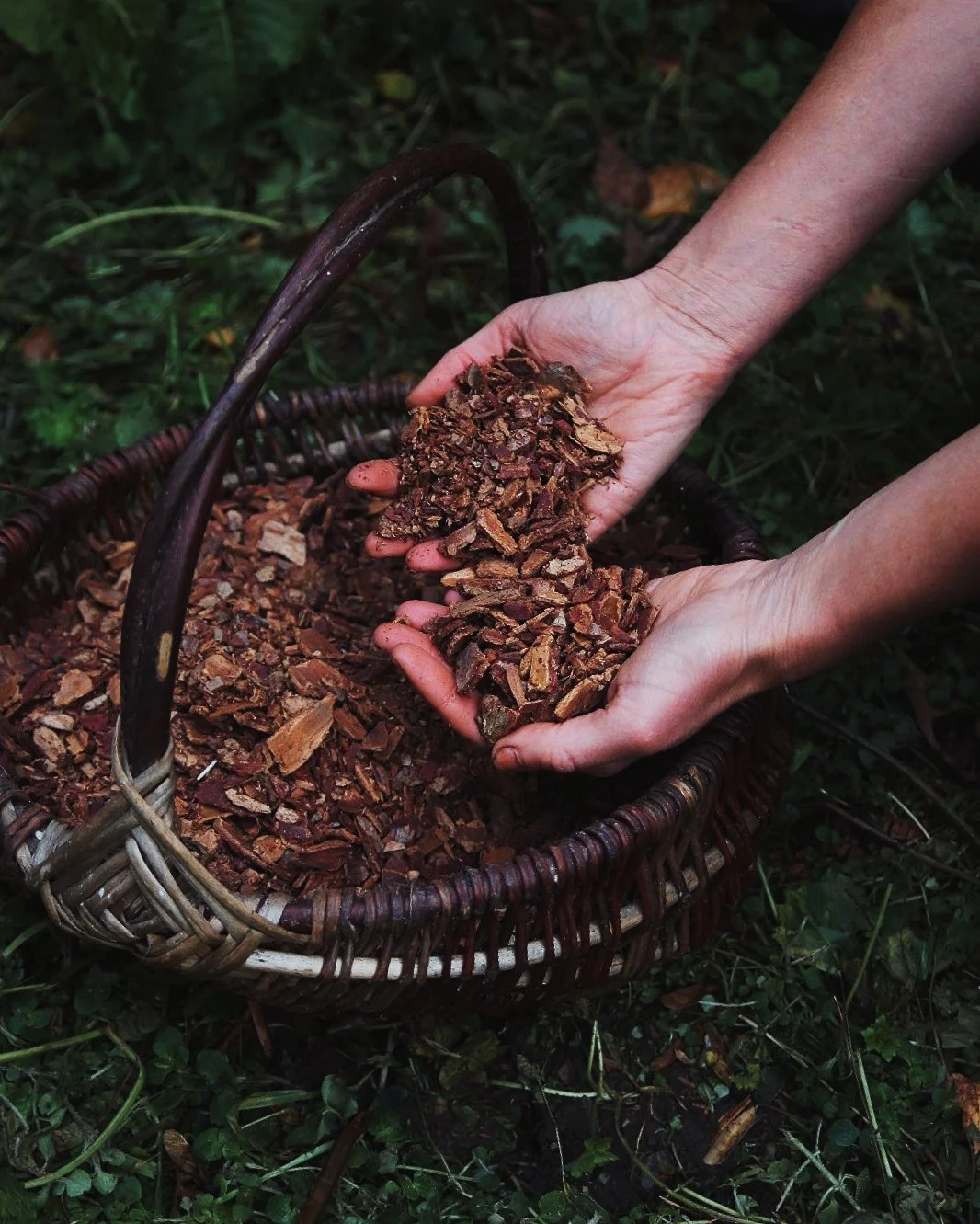
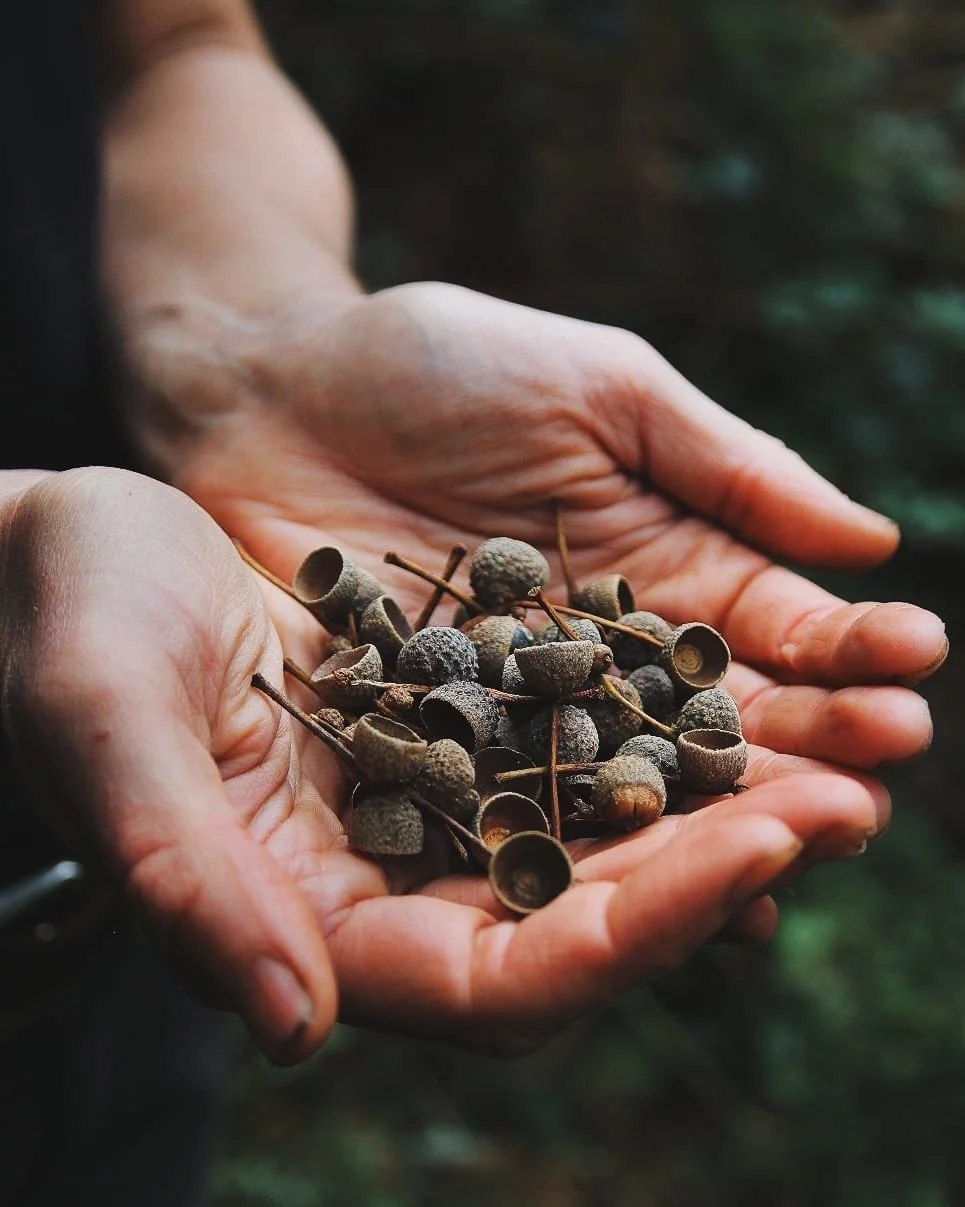
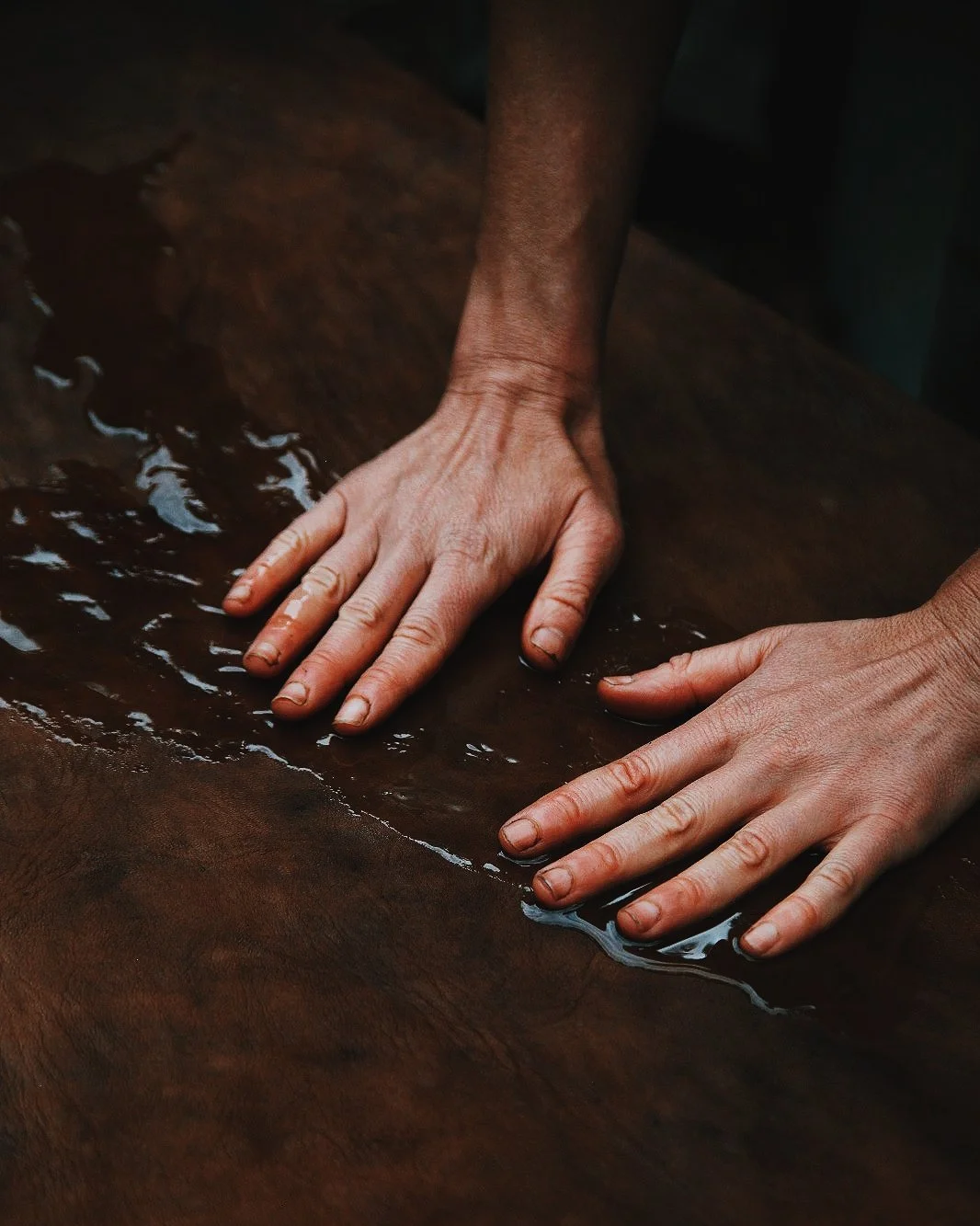
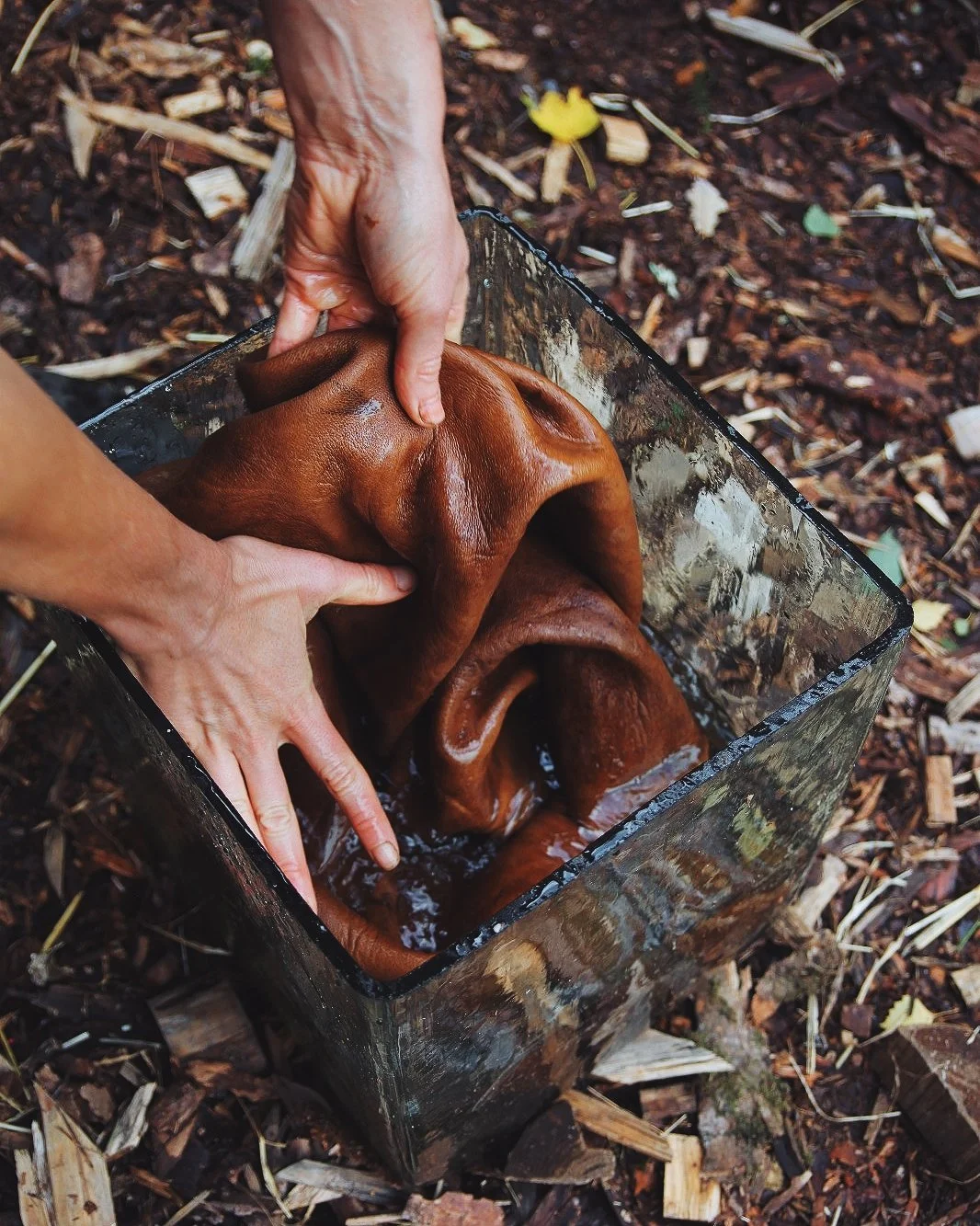
Our tanneries are rare in the sense that we harvest bark from local trees, and extract the tannins ourselves, to create tannin solutions for the skins to go in, to be preserved.
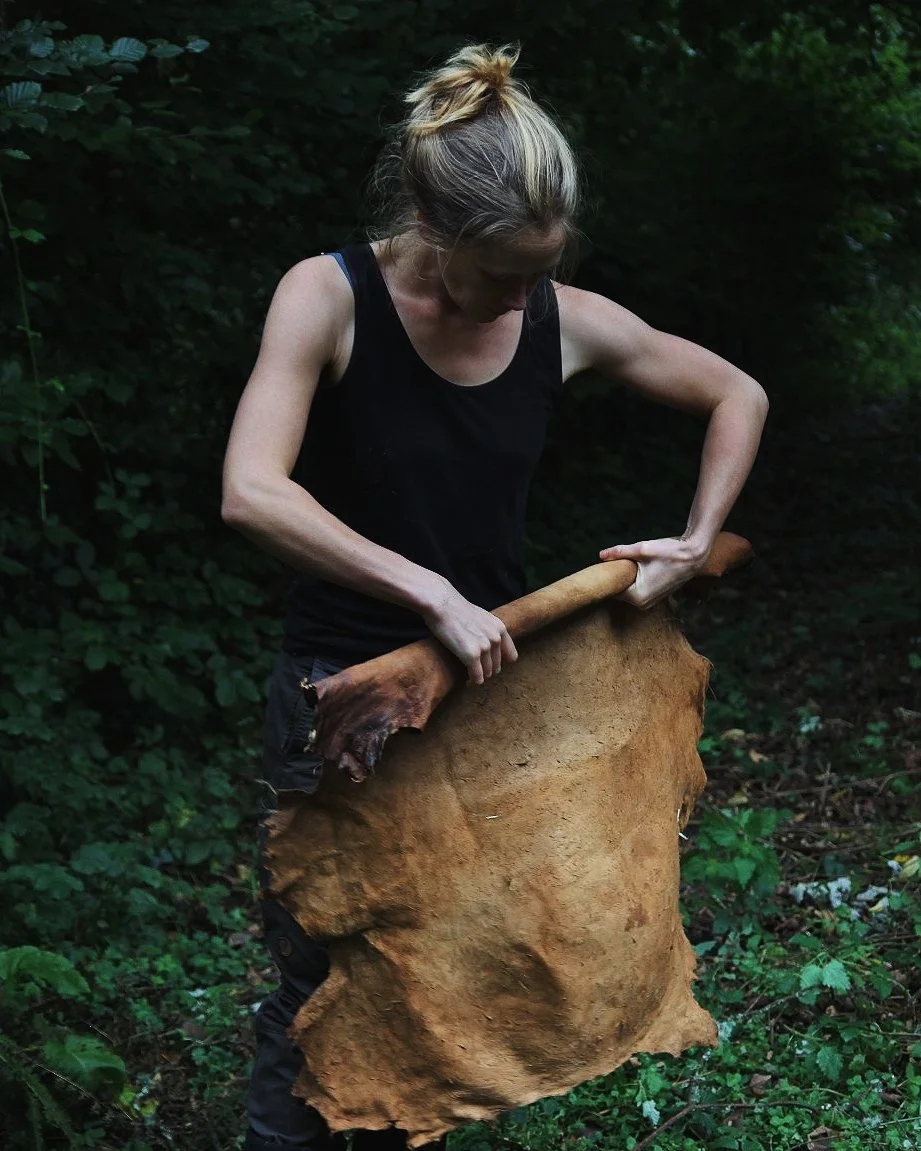
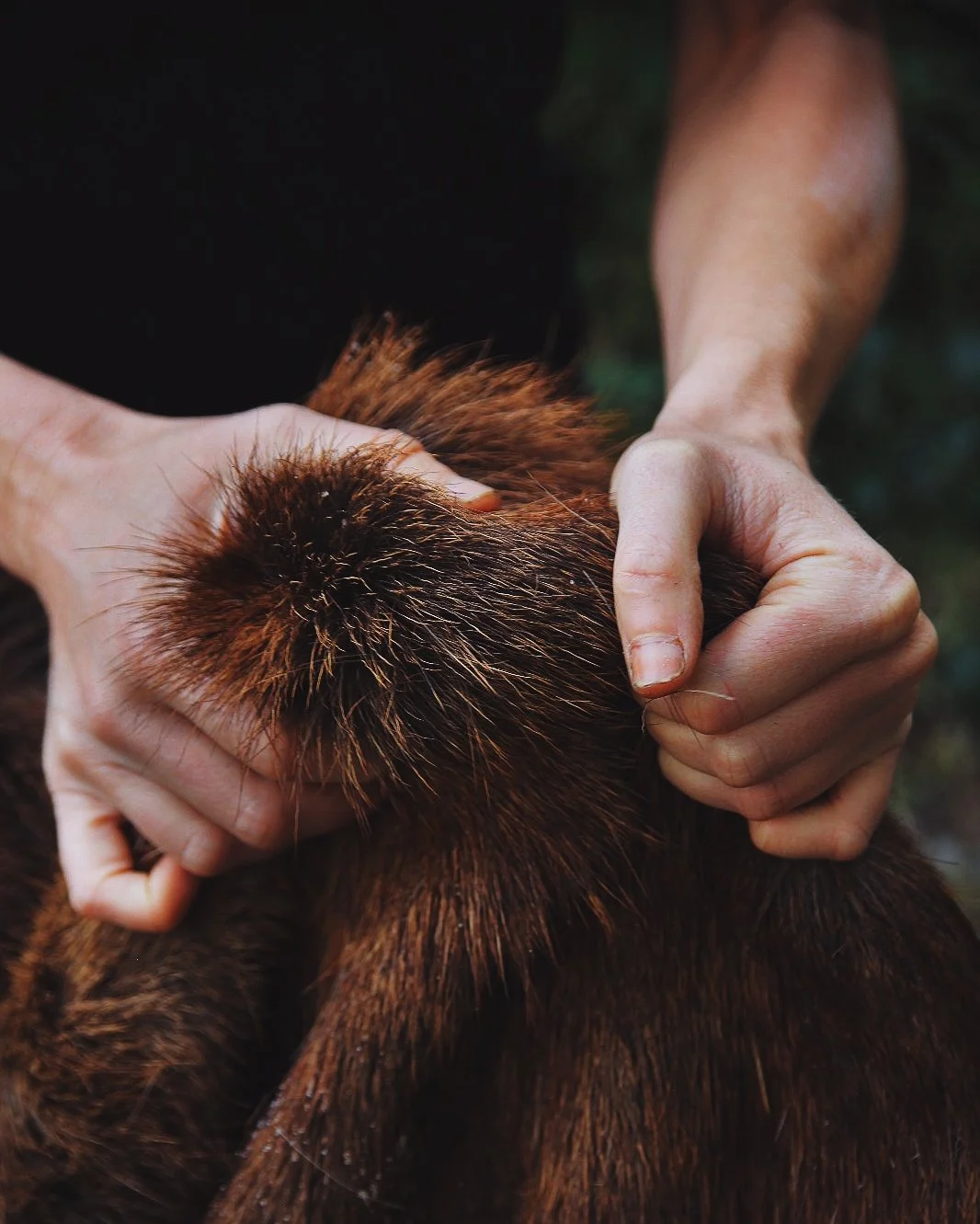
This method is called bark tanning, and there are very few people doing it commercially. This is why Oak bark tanning is on the Heritage crafts red list of endangered crafts. We are called Oak and Smoke Tannery because this covers 2 main natural tanning methods- bark tanning and smoke tanning. Our tanneries focus on reducing waste by using skins which would otherwise be incinerated (deer skins) or sent to China/ India to be tanned using toxic methods (sheep skins).
We also teach hide tanning courses and have been running camps for 10 years now!
What drew you to natural tanning methods, and how do they differ from modern, industrial processes?
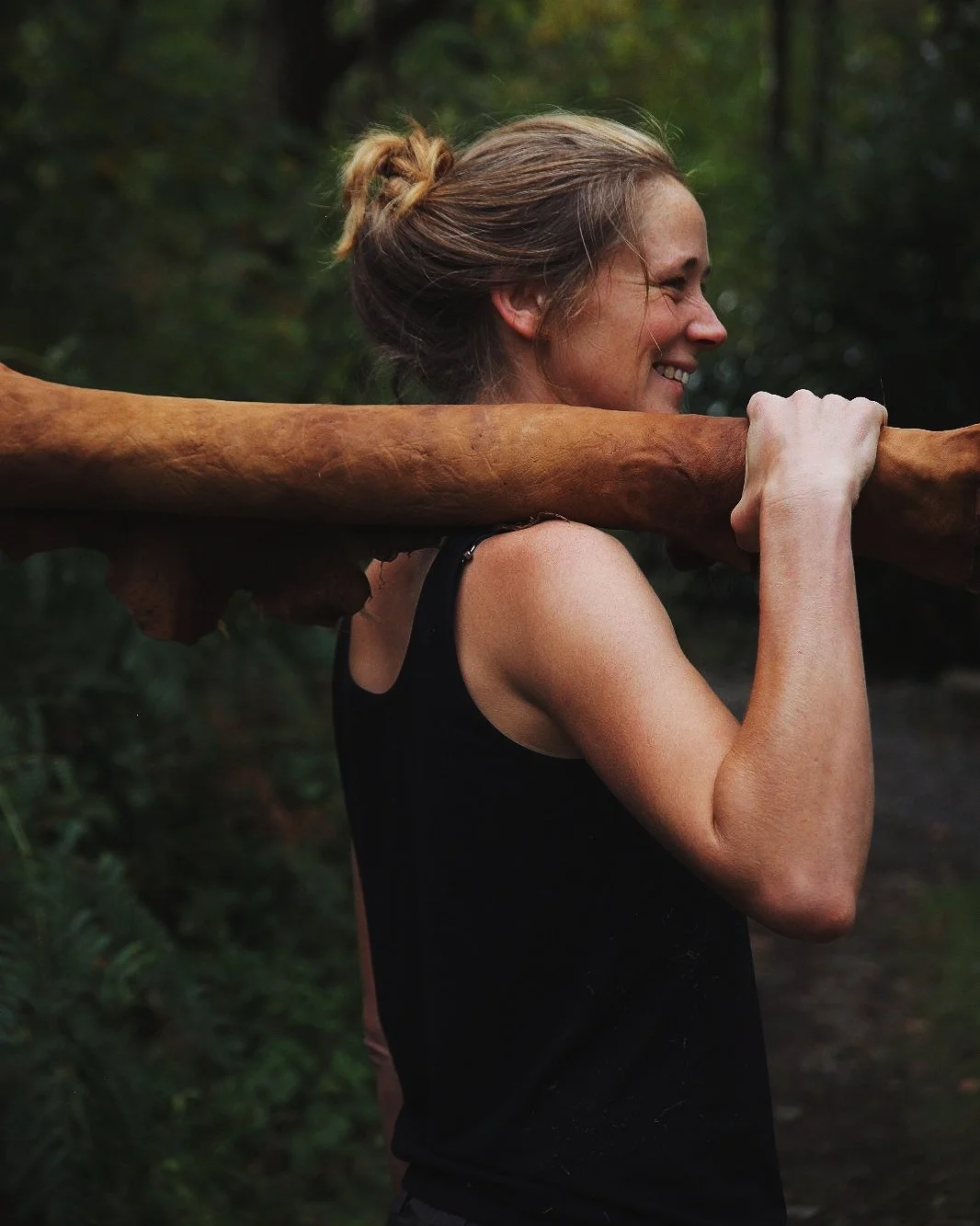
Built in to the process of bark tanning is the experience of spending time in the woods peeling trees. Some of my happiest tanning moments are spent here, often with helping hands and often in the spring time when the woods are especially magical- hauling bags of bark to a track to be picked up, the smell of the sap on your hands and tools. This is what drew me to bark tanning. I'd never want to skip this part of the process by buying in chemicals, and besides, I’ve never learned how to tan with chemicals. I was only drawn to tanning out of a desire to want to honour the whole animal and use every part.
I learned brain tanning in America, and then learned bark tanning in Sweden and Norway, where the crafts are very much still alive.
Here it is difficult to learn hide tanning from an unbroken lineage, the industrial revolution meant that we lost the home scale/ farm scale tanneries and they were replaced with complex machinery. This is why i needed to learn how to tan abroad, from cultures who have kept their tanning traditions alive. I do my best to listen to the land here and be creative with the plants and animals who live here, to do my part in rebuilding our traditional tanning culture.
How did your collaboration with RED Shoes come about, and what does it mean to you to see your leather used in footwear made just down the road?
It means the world to me, and there is no where else I'd rather it be!
As a tanner we kind of give a second life to the skin of the animal, by preserving it. But then its given another life again by being made into shoes and walked around in by their new owner.
As I began to build up quite a large stack of hides, I needed to think about how to move them onwards. RED was the obvious place to start, so I approached Ruth to see if the leather would be suitable.
She thought it would be, so we gave it a try. Ruth made a pair for herself, as a test run, and I bought my own pair of Shandals® 4 years ago now. The rest, as they say, is history!
From your perspective, what value does using locally sourced and tanned leather bring to both the maker and the wearer?
I hope that this collaboration between tanner, shoe maker and consumer opens up an awareness around leather and the crazy position that we have found ourselves in today. At one point not very long ago, every small town had a tannery and plenty of people knew how to use the amazing resource of animal skins. Now it is very rare.
I hope that the wearer feels a sense of peace to know that there isn't any air miles on their shoes. I can tell them exactly where the skin came from and where I peeled the bark from which tree, and probably the circumstance under which the tree was felled and why.
Each skin has a rich story, that i really enjoy sharing with the wearer.
And for me as the maker, i get to have these relationships and spend my days doing this- lucky me!
You’re in the process of moving your tannery this winter — can you share a little about that transition and what’s next for Oak & Smoke?
So this year we have been lucky enough to buy a woodland, and this means that we can build a tannery workshop, design it from scratch, and make it exactly as we want it to be.
I'm dreaming of all the useful plumbing and drainage that I couldn't install in my last rented workshop!
The tannery will be integrated in the woodland that we'll be managing, so the bark will come straight off the trees and then be turned into tannin solution.
Also, the workshop will be designed as a teaching space, so 1-1 tuition and small groups can easily come and learn. And our hide tanning camps can take place there — out of the workshop and into the woods. Tanning is one of the earliest human crafts, and in my opinion there is no better way to connect to that than camping out in the trees and working around a fire.
I am aiming to be open again in the spring, and to have finished leather available again from May onwards. Thank you for everyone’s patience whilst we close up shop for now — the workshop improvements are going to be well worth the wait, and I will send updates on my social media.
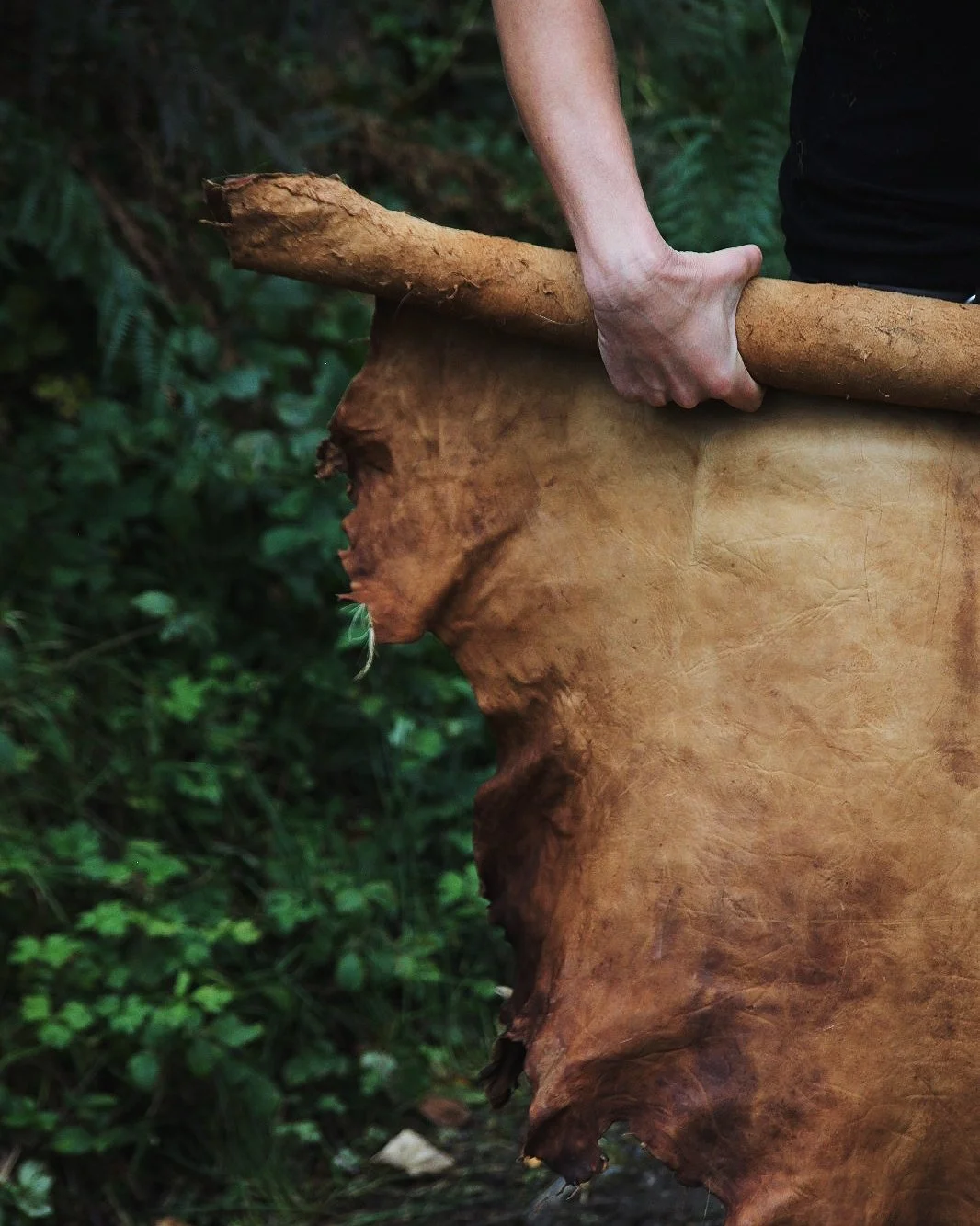
We currently have a selection of Jane’s leather available for bespoke orders. You can find out more here .
Once this batch has sold out, we’ll be opening a waiting list in preparation for the next delivery of leather, expected in May of next year..
To keep up to date with Jane and her work, visit www.oakandsmoketannery.co.uk